Key Points:
•Custom pools in Arizona typically start at $75,000 and increase based on scope, size, and material selections.
•The final cost depends on design complexity, features, materials, and site-specific conditions.
•Working with an experienced design-build firm can help you understand all costs upfront before construction begins.
Planning a custom pool is a significant decision that requires careful consideration of both the investment and the long-term value. Many homeowners struggle to find clear, straightforward information about what a custom pool actually costs in Arizona’s unique climate and market.
This guide provides practical information about custom pool pricing, what influences those costs, and how to approach budgeting for your project. By understanding the factors that affect pricing, you can make an informed decision that aligns with your goals and budget.
Understanding Custom Pool Pricing in Arizona
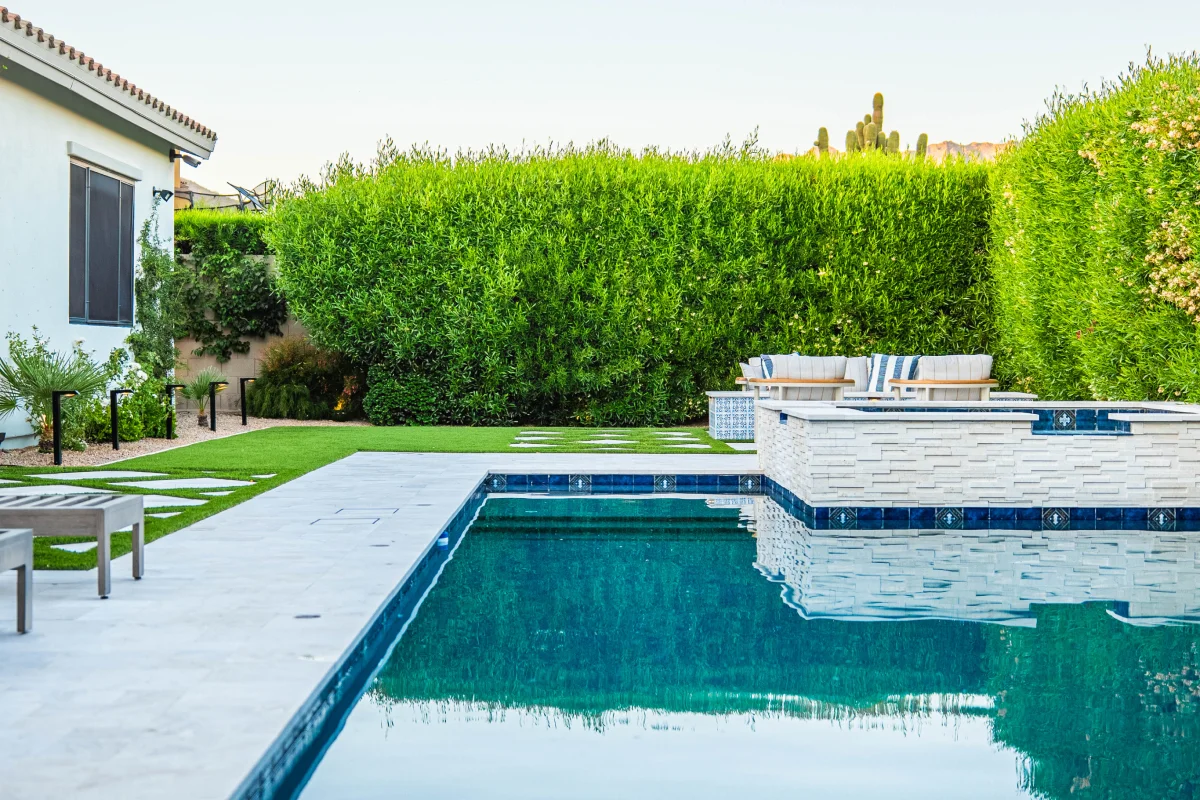
Custom pools in Arizona represent a substantial investment, and pricing varies considerably based on multiple factors. When planning a beautiful custom pool in Arizona’s desert climate, it’s important to understand that the investment reflects not just the pool itself, but also the durability and engineering required to withstand the intense Arizona sun.
Starting Investment Range
Custom pools in Arizona typically start at approximately $75,000. However, this is a baseline figure that varies significantly based on scope, size, and material selections. A detailed proposal from a qualified design-build firm will provide accurate pricing specific to your project.
The starting price assumes standard site conditions and professional construction. Projects with complex engineering, extensive landscaping, or challenging soil conditions will require higher investment.
Factors That Influence Custom Pool Costs
Understanding what drives pool pricing helps you make informed decisions about where to allocate your budget:
Pool Size and Shape
Larger pools naturally require more materials and labor. However, size isn’t the only factor—a highly customized freeform design with multiple elevations will cost more than a simple geometric shape of the same square footage. The complexity of the design directly impacts construction time and material requirements.
Design Complexity and Features
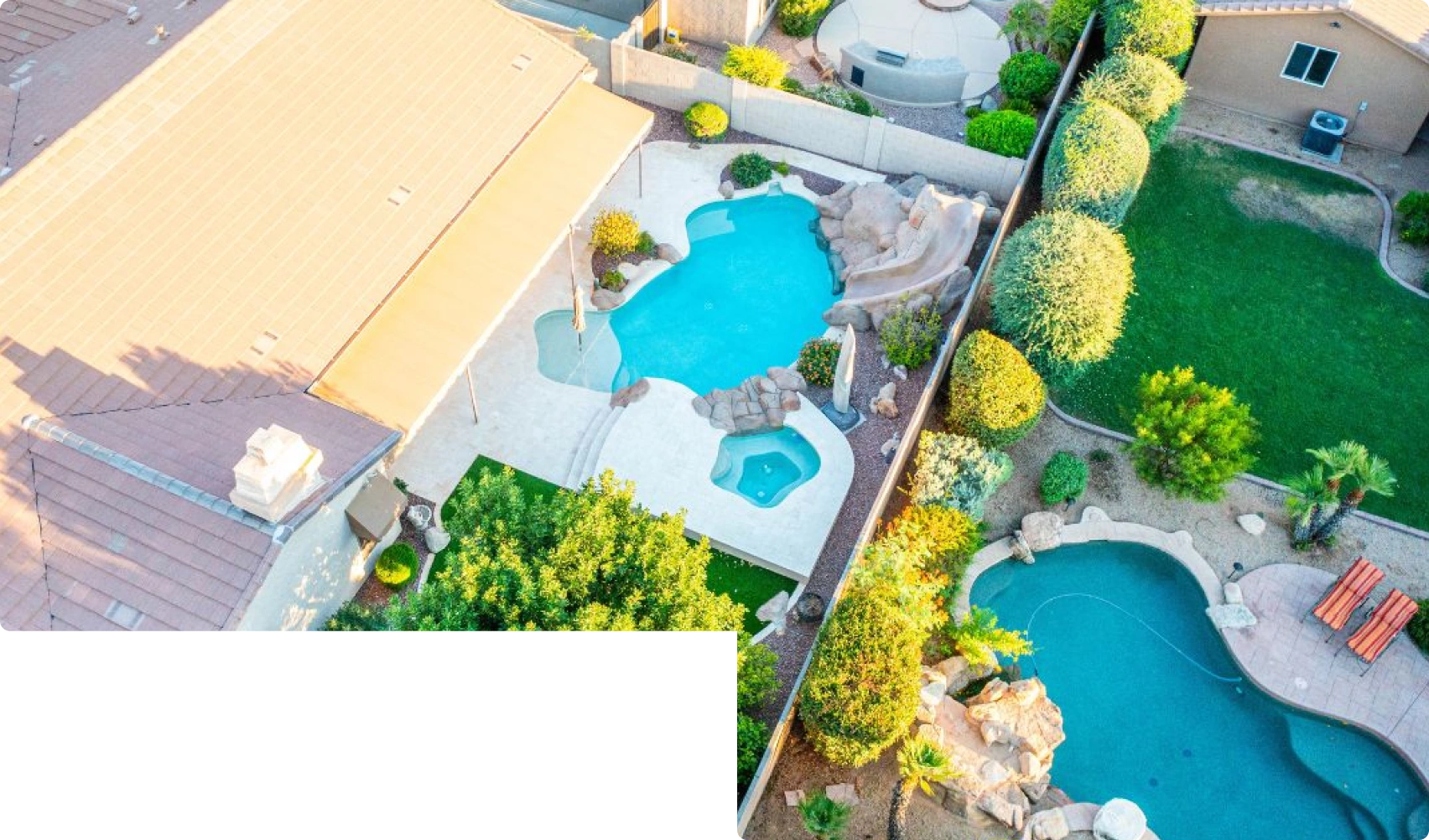
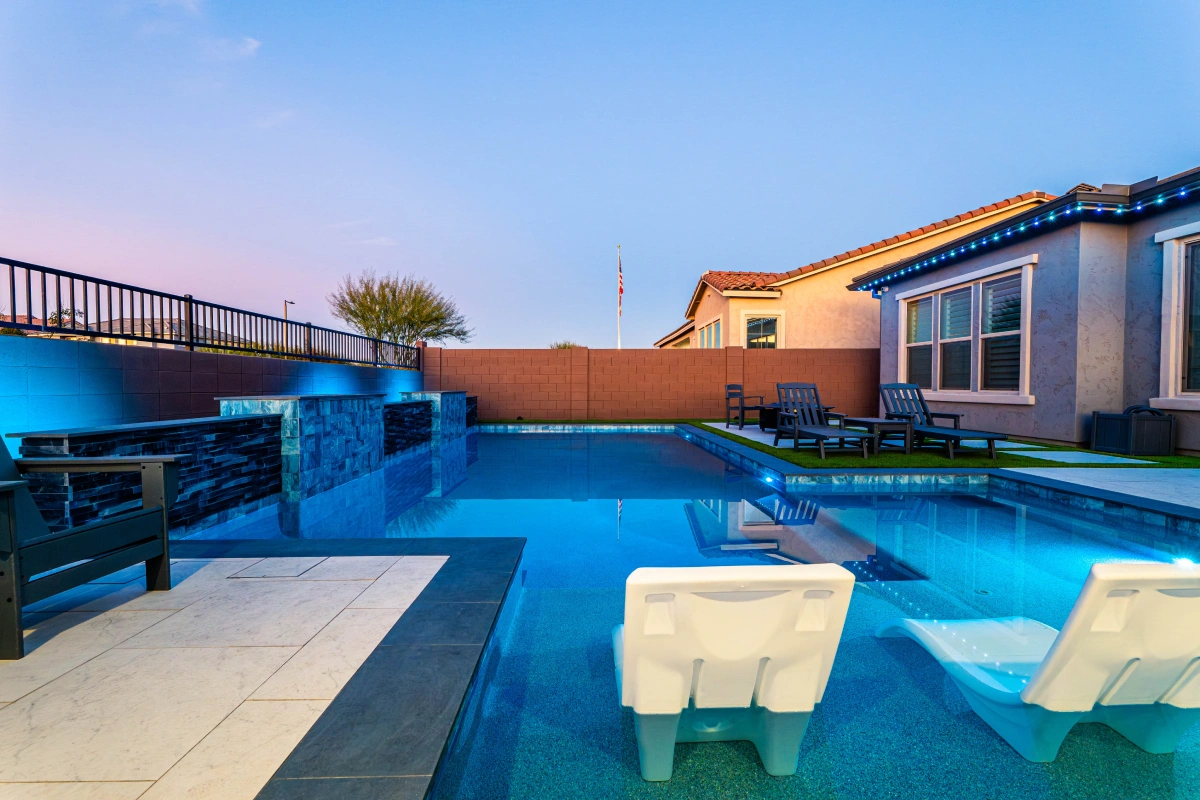
Custom features significantly affect the final cost. Popular additions include Baja shelves for lounging, waterfalls and water features, integrated spas, and LED lighting systems. Each addition enhances the pool experience but increases the overall investment. Homeowners should prioritize which features matter most to their lifestyle and budget accordingly.
Materials and Interior Finishes
The interior finish you select affects both the initial cost and long-term durability. Different finish options have varying price points and maintenance requirements. Material selection is particularly important in Arizona, where intense UV exposure and extreme temperatures affect longevity.
Site-Specific Conditions
Your property’s unique characteristics influence costs. Soil conditions, existing utilities that need rerouting, electrical panel upgrades, and landscape features all affect the final price. A thorough on-site evaluation is necessary to identify these factors and provide accurate pricing.
Equipment and Systems
The quality of pool equipment—including pumps, filtration systems, and water treatment options—significantly impacts both initial cost and long-term maintenance expenses. Higher-quality equipment may cost more upfront but often reduces ongoing maintenance and operational costs.
The Design and Planning Process
Before construction begins, a thorough design and planning phase ensures you understand exactly what you’re investing in. This process typically includes:
Initial Consultation and Site Evaluation
A qualified pool designer will conduct an on-site visit to understand your goals, evaluate your space, and identify opportunities and constraints. This assessment informs the design direction and helps establish realistic budgets.
Design Development
During this phase, a custom design is created showing layout, materials, and key details. Many modern design firms use photorealistic 3D visualization, allowing you to see how the finished pool will look before construction begins. This helps you refine details and make informed decisions about features and materials.
Material Selection and Scheduling
Once the design is approved, material selections are finalized, and construction scheduling is established. Every element is coordinated to ensure the project moves forward efficiently as one cohesive plan.
Construction and Timeline Considerations
The construction phase involves careful oversight and regular communication. The timeline varies based on design complexity and local permitting requirements. A qualified contractor will provide a detailed timeline during the planning phase.
After construction is complete, a thorough walkthrough ensures the finished project meets expectations and specifications. Understanding the full timeline helps you plan accordingly and set realistic expectations.
Budgeting for Your Custom Pool Project
When budgeting for a custom pool, consider both the initial investment and long-term costs:
Initial Investment
The upfront cost includes excavation, pool construction, equipment installation, decking, and landscaping. Getting detailed proposals from qualified firms helps you understand what’s included and what costs are variable.
Ongoing Maintenance and Operation
Pool ownership involves regular maintenance, equipment servicing, water treatment, and seasonal adjustments. Understanding these costs helps you budget realistically for long-term ownership. Higher-quality equipment often reduces these ongoing expenses.
Financing Options
Many homeowners explore financing options to manage the upfront investment. Discussing financing possibilities with your contractor or financial institution can help you find solutions that work for your situation.
Choosing a Qualified Pool Designer and Builder
Your choice of contractor significantly impacts both the process and the final result. Consider the following when evaluating firms:
Experience and Expertise
Look for firms with substantial experience building pools in Arizona. Understanding local climate challenges, soil conditions, and permitting requirements is essential for successful projects.
Design-Build Approach
A unified design-build process provides a single point of contact and ensures seamless communication between designers and builders. This integrated approach often results in more efficient projects and better outcomes.
Licensing and Credentials
Verify that any contractor you work with is properly licensed and insured. Ask about relevant certifications and credentials that demonstrate expertise.
Transparent Pricing
Choose a firm that provides clear, detailed proposals and explains what affects pricing. Transparent communication about costs and timelines helps prevent surprises and builds trust.
Quality Standards
Inquire about the contractor’s quality control processes and standards. Understanding how they ensure durability and craftsmanship is important for a project of this scale.
Ready To Create Your Dream Backyard?
If you’re ready for a backyard that reflects your lifestyle, enhances your home’s value, and makes every day feel like a vacation, we’d love to help. At Urban Outdoor Solutions, we make the process clear, creative, and collaborative from start to finish. Let’s explore what’s possible together.
Your custom pool investment is an investment in your family’s memories, your home’s value, and your daily quality of life. With our proven process, transparent pricing, and commitment to excellence, you can confidently move forward with your backyard transformation.
Frequently Asked Questions
What’s included in the starting price?
The starting price typically reflects a professionally built custom pool with standard features and site conditions. Specific inclusions vary by contractor. Request a detailed breakdown from any firm you’re considering to understand exactly what’s included.
How do I know if I’m getting a fair price?
Getting multiple proposals from qualified firms helps you understand the market. Compare not just the total price but what’s included, the timeline, and the contractor’s experience and credentials. The lowest price isn’t always the best value.
Can I build a pool on a tight budget?
Yes, but budget constraints will affect design options and features. A qualified designer can help you prioritize features that matter most to your lifestyle and create a design that fits your budget. Being upfront about your budget during the planning phase helps contractors provide realistic options.
What factors might increase the final cost?
Unforeseen site conditions (like hitting rock or caliche), changes to the design during construction, complex engineering requirements, and extensive landscaping can all increase costs. A thorough initial site evaluation helps identify potential cost factors early.
How long does the entire process take?
The timeline varies based on design complexity and local permitting. The design and planning phase typically takes several weeks, while construction can take 8-12 weeks or longer depending on complexity. Ask your contractor for a detailed timeline specific to your project.
What’s the difference between gunite and other pool types?
Gunite pools use pneumatic concrete application and offer exceptional customization and durability. They’re engineered to withstand Arizona’s intense heat and sun. Other pool types (fiberglass, vinyl) have different characteristics and cost structures. A qualified designer can discuss which option best suits your needs.
Should I consider the long-term value of a pool?
Yes. While a pool is a significant investment, consider both the lifestyle benefits and potential home value implications. A well-designed, properly maintained pool can enhance your daily life and property appeal, though the financial return on investment varies by market.