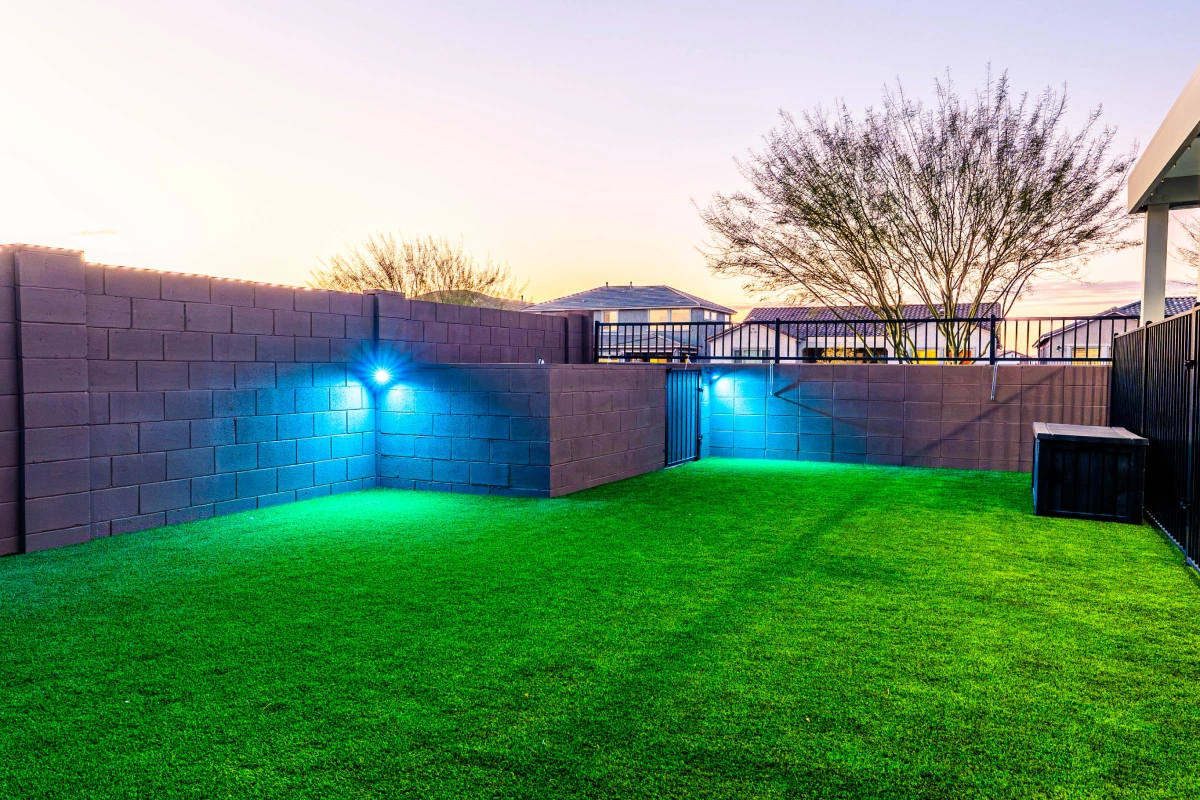
Key Points:
- Artificial turf requires a high initial investment but offers zero ongoing watering or mowing costs, making it highly appealing in drought-prone areas.
- Natural grass is significantly cheaper to install but demands constant water, fertilizer, and maintenance to survive the intense summer heat.
- Your decision should be based on your neighborhood’s HOA rules, your yard’s sun exposure, and how you actually plan to use the space.
The Real Question: Will My Lawn Survive the Arizona Heat, and Which Option Actually Saves Money?
When homeowners in Gilbert or Chandler ask us about their lawn options, they are usually wrestling with a hidden anxiety. They secretly wonder, “Am I going to spend thousands on artificial turf only to have it melt in the sun, or am I going to be stuck with a dead, brown patch of natural grass by August?” They want a beautiful yard, but they do not want a second job maintaining it or a water bill that rivals their mortgage.
It is a valid concern. The East Valley climate is unforgiving, and the wrong lawn choice can become a costly mistake. The truth is, there is no single “perfect” option. Both artificial turf and natural grass have distinct advantages and significant drawbacks when subjected to 115-degree heat. This guide will walk you through the practical realities of both options, helping you evaluate which solution actually makes sense for your specific property and lifestyle.
Addressing the Uncomfortable Questions
When we walk a property in Queen Creek or Mesa, homeowners usually have a few pressing questions they are hesitant to ask outright. Let us address them directly.
Is artificial turf actually worth the high upfront cost?
Yes, but only if you plan to stay in your home long enough to realize the return on investment through water savings and eliminated maintenance costs. If you are planning to move in two years, the math might not work in your favor.
Will natural grass even survive our heat?
Yes, natural grass can thrive in Arizona, but it requires a commitment. It needs consistent, deep watering, proper fertilization; and the right variety of grass for the season (like Bermuda in summer and Ryegrass in winter). It is not a “set it and forget it” solution.
Does artificial turf get too hot for kids and pets?
This is a critical reality check. Artificial turf gets significantly hotter than natural grass in direct sunlight. If your yard has zero shade, the turf can become uncomfortably hot during the peak of summer, requiring a quick spray with the hose to cool it down before bare feet or paws touch it.
Real-World Specificity: The East Valley Landscape
Building and maintaining a landscape in the East Valley presents unique challenges. Our intense UV exposure degrades materials quickly, while our monsoon storms test drainage systems.
For example, if you live in an older Scottsdale neighborhood with mature trees, natural grass might be a viable option because the shade reduces water evaporation and heat stress. Conversely, in newer San Tan Valley developments with full sun exposure and strict water restrictions, artificial turf often becomes the most practical choice.
You also have to consider your soil. The hard caliche layers found throughout Mesa and Apache Junction make proper drainage critical. If you install artificial turf without adequate sub-base preparation, a heavy monsoon rain can turn your yard into a temporary pond. Proper drainage and irrigation systems are essential for both turf and grass success in the Arizona climate. Additionally, you must always check your HOA guidelines, as some communities still have specific restrictions regarding the type and placement of artificial turf.
Comparing Your Lawn Options: A Decision Framework
To help you navigate this choice, we have broken down the key differences between artificial turf and natural grass in the Arizona climate.
| Consideration | Artificial Turf | Natural Grass |
| Initial Investment | High upfront cost for materials and site preparation. | Lower initial cost for sod or seed installation. |
| Ongoing Maintenance | Very low. Requires occasional rinsing and brushing to remove dust. | High. Requires regular mowing, edging, fertilizing, and weed control. |
| Water Usage | Zero water required for maintenance (only for occasional cooling or cleaning). | High water demand, especially during peak summer months. |
| Temperature | Can become very hot in direct summer sunlight. | Stays naturally cooler, providing a slight cooling effect to the surrounding area. |
| Durability | Highly durable, but UV exposure will eventually cause fading and degradation over many years. | Can suffer from brown spots, disease, and pet damage, requiring patching or reseeding. |
Making the Right Choice for Your Backyard
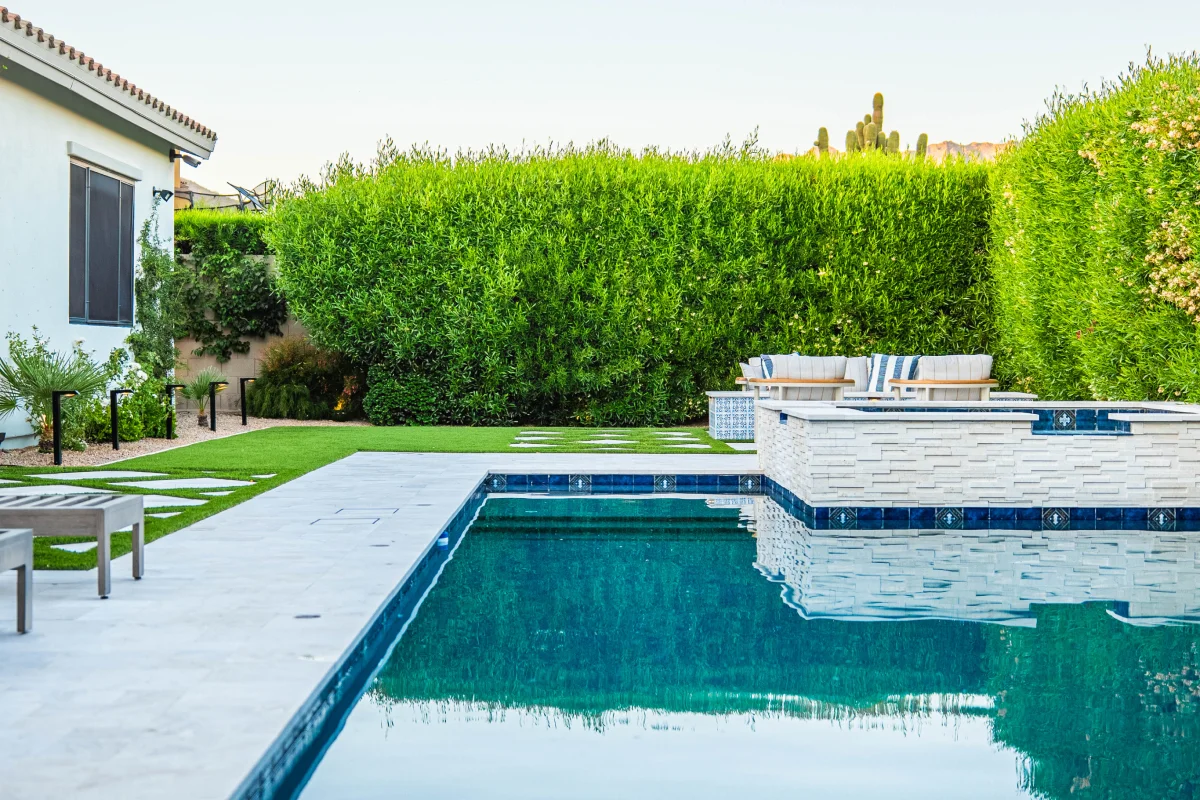
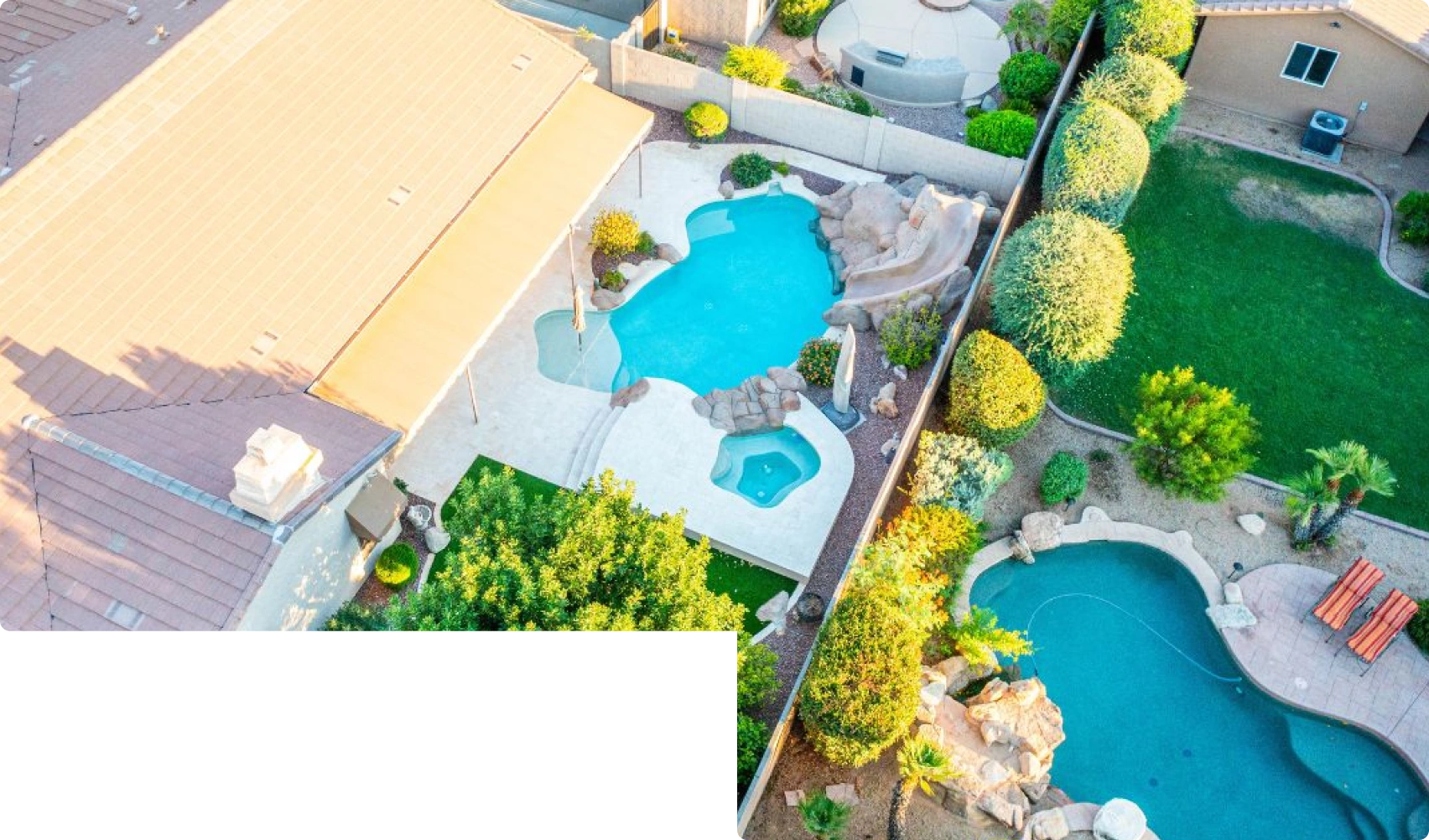
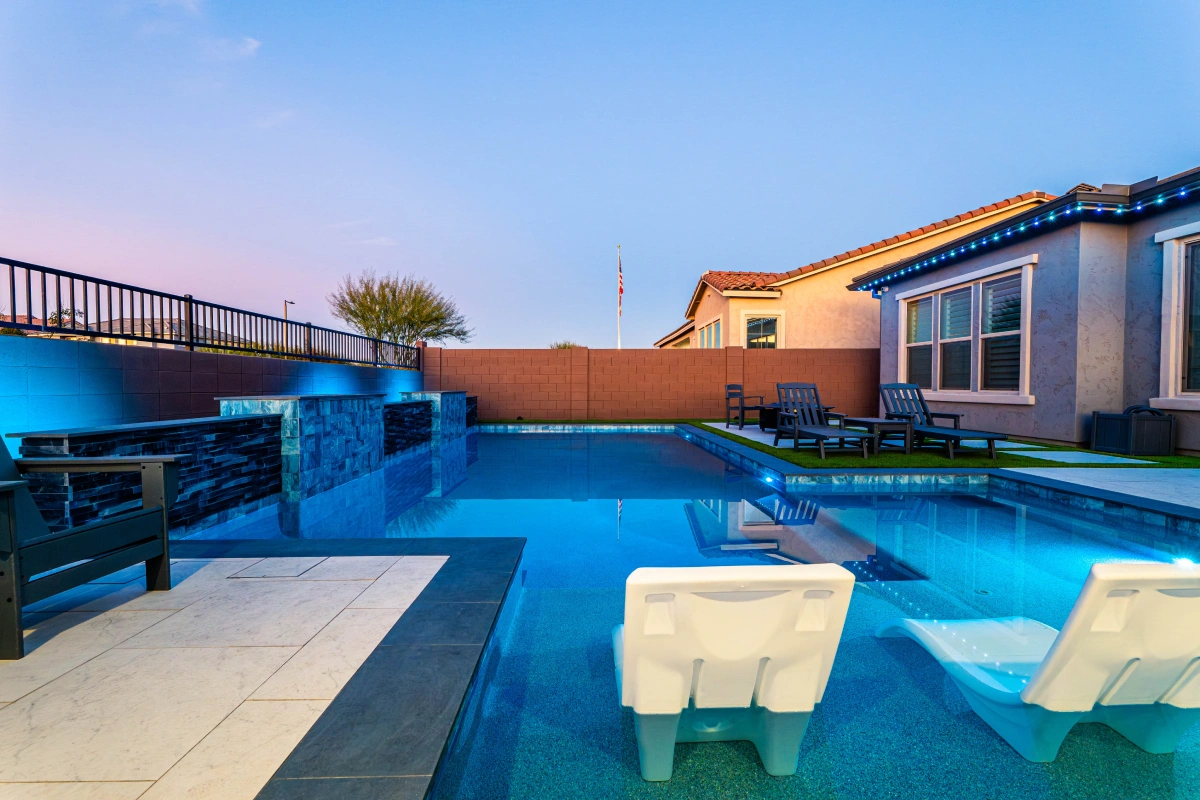
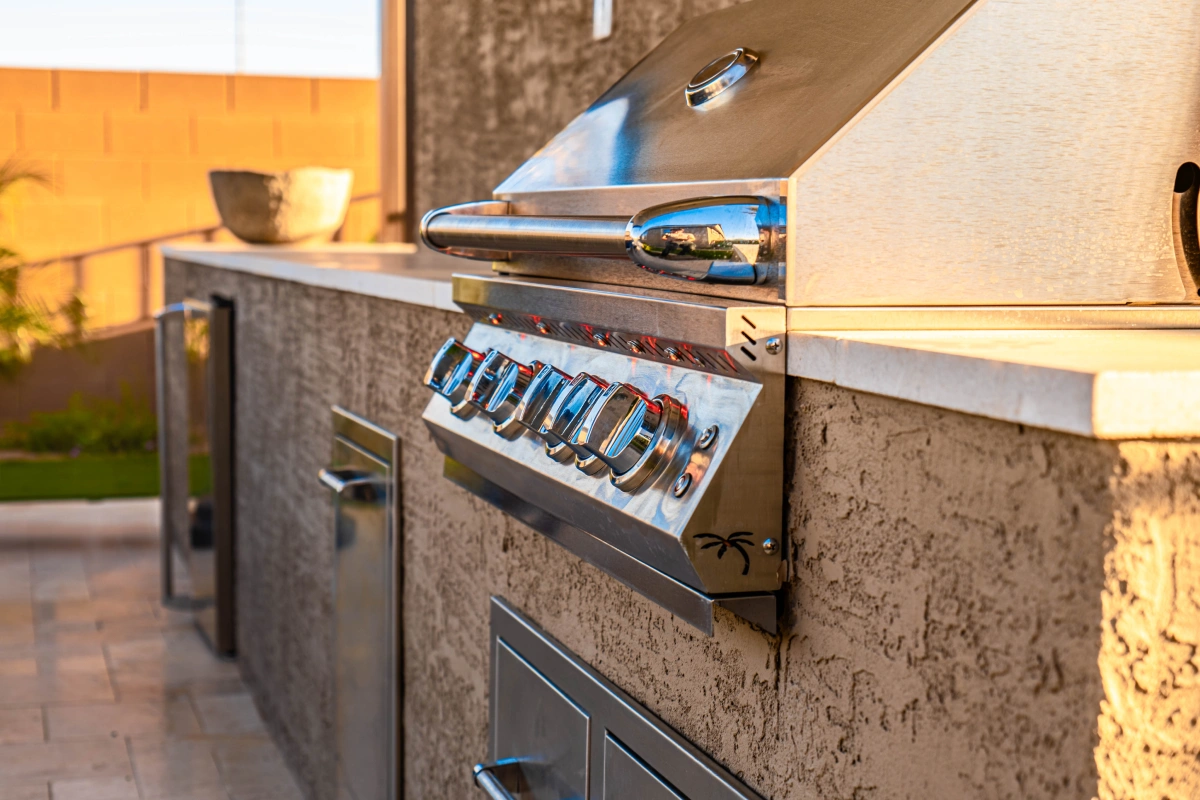
Ultimately, the success of your landscape depends on how well it integrates with your lifestyle and your home’s environment. Choosing between turf and grass is not just about aesthetics; it is about how you want to spend your weekends and manage your resources. Your lawn choice should also complement other elements of your outdoor space, such as patios, pools, and outdoor kitchens, creating a cohesive outdoor living environment.
This is why working with an experienced landscape design-build firm is so important. At Urban Outdoor Solutions, we are a family-owned design-build firm with over a decade of experience and dual ROC licenses (#345870 & #342297). Our owner, Joel, is personally involved in every project, ensuring owner-led quality control from the initial concept to the final installation.
We utilize a collaborative 3D design process, allowing you to see exactly how artificial turf or natural grass will look and function within your overall backyard vision. This seamless design-build integration ensures that your lawn choice complements your patio, pool, and lifestyle perfectly. Learn more about our complete design-build process and how we approach landscape transformation.
Schedule a landscape design consultation with Urban Outdoor Solutions today, and let us help you determine which lawn solution makes the most sense for your specific East Valley property.
Frequently Asked Questions
How long does artificial turf last in Arizona?
High-quality artificial turf can last 10 to 15 years in the Arizona sun. However, its lifespan depends heavily on the quality of the product chosen, the standard of the installation, and how much direct UV exposure it receives daily.
Do I need to clean artificial turf?
Yes, artificial turf requires minimal but necessary maintenance. You will need to occasionally use a leaf blower or stiff brush to remove fallen leaves and debris and lightly rinse it with a hose to remove dust and pet waste.
Can I install natural grass if my yard has poor drainage?
You can, but the drainage issues must be addressed first. Standing water will quickly kill natural grass and create a breeding ground for pests. Proper grading and the installation of French drains or catch basins are essential steps before laying sod in poorly drained areas. Urban Outdoor Solutions specializes in drainage and irrigation solutions designed specifically for Arizona’s unique soil and climate conditions.